
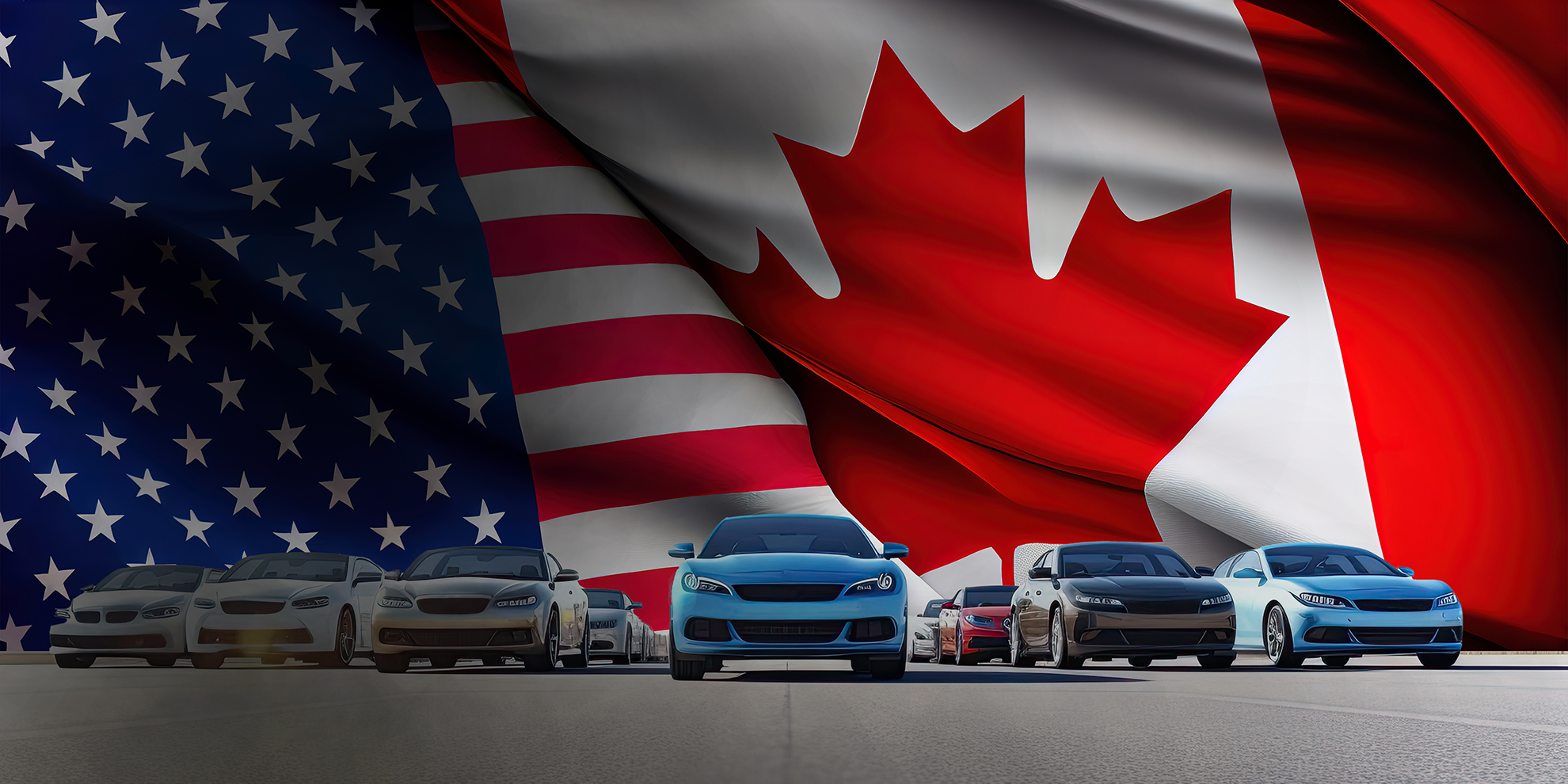
As the North American auto market evolves, Canadian auto dealers are increasingly eyeing opportunities to expand into the United States. The potential for growth is significant, but so are the complexities of cross-border acquisitions.
Farid Ahmad, founder and CEO of DSMA, continues to offer valuable insights to Canadian dealers considering U.S. acquisitions, addressing everything from exchange rate impacts to regional differences and the importance of thorough due diligence. Following our recent seminar in Vancouver, which received an amazing response from individual dealers and groups, the event underscored the critical need for preparation and expertise when entering the U.S. market.
The Appeal and Challenges of Cross-Border Expansion
For Canadian auto dealers, the allure of expanding into the U.S. is clear. The sheer size of the market, combined with the potential for higher returns, makes it an attractive prospect.
However, Ahmad points out that the U.S. auto industry is highly complex, with significant variations that can impact the success of a dealership.
“There are a lot of regional differences in the United States,” he explains. “I think any Canadian looking to move into the United States really needs to understand what culture they have and avoid buying a great deal in a state that does not share the same culture.”
Ahmad highlights the importance of understanding cultural and regulatory differences by region. For example, while Texas and Florida are booming markets with high demand, states like California come with their own set of challenges, including high taxes, stringent government regulations, and environmental issues. The diverse regional landscapes of the U.S. mean that a successful strategy in one area might not translate well in another, making it essential for dealers to thoroughly research and understand their target markets.
Exchange Rate Considerations: A Double-Edged Sword
The exchange rate between the Canadian dollar and the U.S. dollar is another crucial factor that can significantly influence the profitability of cross-border deals.
According to Ahmad, “Currency fluctuation will always have a positive or a negative impact on that transaction.” When the exchange rate is favorable, Canadian buyers can gain a competitive advantage, making U.S. assets more affordable. However, if the exchange rate shifts unfavorably, it can quickly turn a profitable venture into a financial strain, particularly if a business needs to be recapitalized.
Post-COVID Trends: Winners and Losers in the U.S. Market
The aftermath of the COVID-19 pandemic has further complicated the landscape for potential buyers. During the pandemic, many dealerships thrived due to unique market conditions, but as the market has normalized, a stark divide has emerged between well-managed dealerships and those that struggled.
“What we’ve seen is after COVID ended and business moved back to normal, the people that couldn’t manage themselves and were not good operators have not been able to succeed during this period of time,” Ahmad notes.
This shift has created opportunities for Canadian buyers. Distressed dealerships that once commanded high prices during the pandemic are now available at significantly reduced valuations. Ahmad cites an example where a dealership group that was valued at $128 million in 2022 is now on the market for just $10 million—an illustration of how rapidly conditions can change.
The Importance of Due Diligence in Cross-Border Deals
When it comes to the due diligence process, Ahmad emphasizes that cross-border acquisitions require a high level of scrutiny compared to domestic deals.
“The process from that execution [of a Letter of Intent] to when they actually hand the keys over to them is very different between Canada and the United States,” he explains.
In Canada, buyers are typically more conservative and ensure that financing is in place before proceeding with a transaction. In contrast, U.S. deals can sometimes fall apart late in the process due to financing issues, creating uncertainty and potential losses for both buyers and sellers.
Ahmad also points out that the due diligence process is generally more stringent in Canada. For instance, real estate valuations in Canada are rarely questioned, whereas in the U.S., buyers often negotiate these values even when presented with an appraiser’s report. This difference in approach underscores the need for Canadian buyers to be cautious and to work with trusted professionals who understand the nuances of the U.S. market.
How DSMA Supports Cross-Border Buyers
Given these complexities, Ahmad highlights the role of DSMA in helping Canadian dealers navigate the U.S. market.
“We are aware of all the potholes,” he says, “and we can set correct expectations.”
DSMA’s team, which includes specialists in essential services like banking, legal, and accounting, works closely with clients to smooth out the acquisition process. By anticipating potential issues and providing tailored advice, DSMA helps Canadian buyers avoid common pitfalls and make informed decisions.
Ahmad likens this support to having a trusted guide when navigating an unfamiliar territory.
“It’d be like me trying to buy a house in Brazil—if I don’t have a Canadian real estate agent in Brazil, I may get steered incorrectly,” he says.
This analogy underscores the importance of working with experts who understand both the Canadian and U.S. markets, particularly when dealing with the intricacies of cross-border transactions.
Lessons Learned: Anecdotes from the Field
Ahmad shared several anecdotes that illustrate the challenges Canadian dealers might face when expanding into the U.S. In one instance, a dealer discovered that the seller had falsified financial statements, which led to the bank refusing to finance the deal. This situation highlights the importance of thorough due diligence and working with trusted partners to verify the accuracy of financial information.
In another case, an attorney in the U.S. actively tried to derail a deal by spreading misinformation about the buyer. This incident underscores the competitive and sometimes cutthroat nature of the U.S. market, where even professionals can have conflicting interests. Ahmad advises Canadian buyers to be cautious and to work with advisors who have their best interests at heart.
The DSMA Seminar: A Unique Opportunity for Canadian Dealers
Our recent seminar in Vancouver provided valuable insights and resources to dealers looking to expand into the U.S. market. Based on the positive response from individual dealers and groups, DSMA will now host an annual seminar aimed at assisting Canadian dealers in navigating the complexities of U.S. acquisitions.
This seminar offers invaluable benefits for dealers considering expansion, including expert advice on banking, accounting, legal matters, and insights from Canadian dealers who have successfully entered the U.S. market. It is a unique opportunity for one-on-one discussions with industry leaders, designed to provide unbiased, actionable advice without promotional content.
“It’s the only place you can go to a forum for a day and have one-on-one time with real experts in the automotive industry,” Ahmad emphasizes.
As the U.S. auto market continues to present opportunities for growth, Canadian dealers must approach cross-border acquisitions with caution and preparation. From understanding regional differences to navigating exchange rate fluctuations and conducting rigorous due diligence, success in the U.S. market requires a comprehensive strategy and the support of experienced professionals.
For those looking to grow across borders, this seminar will arm you with the tools and strategies necessary for success in the U.S. market. Keep an eye out for future events to ensure you are prepared to make informed decisions and capitalize on new opportunities.
Author: DSMA