
Author: DSMA
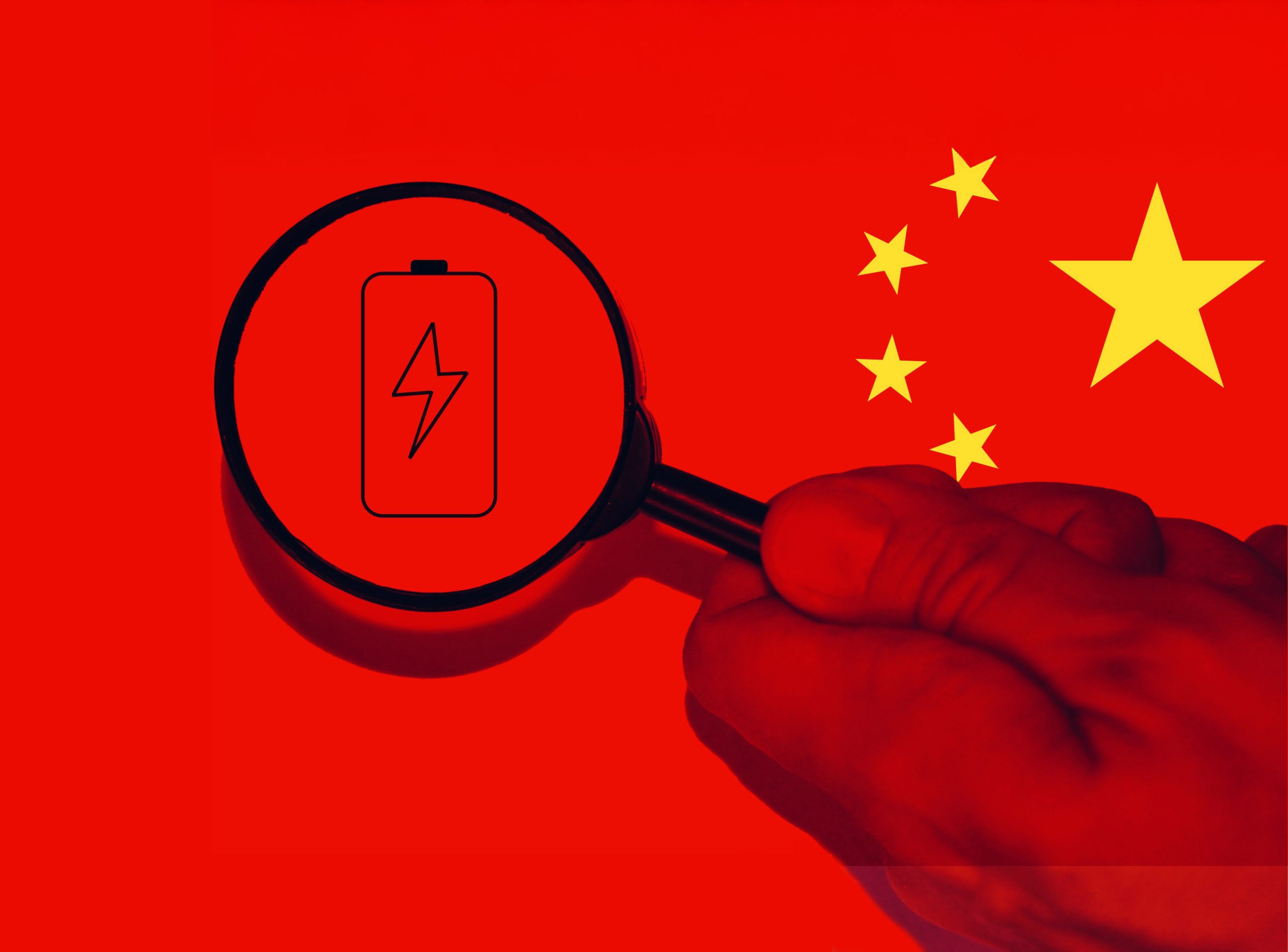
The Canadian automotive market is entering a defining transition shaped by global electrification, shifting consumer economics, and the anticipated entry of Chinese EV manufacturers into North America. While volumes are expected to be controlled and phased, the strategic implications are already influencing dealership conversations, OEM planning, and M&A activity across the country.
At the center of this shift is DSMA (Dealer Solutions Mergers & Acquisitions), North America’s leading automotive intelligence and dealership advisory firm. With over 550 successful transactions and thousands of completed valuations, DSMA’s industry-leading team—comprised of six specialized CPAs, an in-house marketing function, a legal, due diligence and operations teams, and M&A experts across Canada and the U.S.—is positioned to guide dealers through the next wave of industry transformation. Unlike traditional advisory firms, DSMA is built exclusively around automotive retail, with former OEM executives, dealer principals, and operators forming its core expertise. It represents only one side of each transaction, ensuring full alignment with its clients and a highly specialized advisory approach.
Leading DSMA is Founder and CEO Farid Ahmad, a veteran of automotive retail with more than four decades of experience across the UK and Canada. From dealership operations in the 1980s to building DSMA into a global M&A leader in 2012, Ahmad is widely regarded as a key strategic voice in dealership transformation. His focus today is one of the most consequential shifts in modern automotive history: the entry of Chinese EV brands into Canada.
As Farid puts it, “The arrival of Chinese brands should not be a surprise to anyone. They have expanded across Europe, Asia, Australia, and South and Central America. The only market left was North America.”
Brands such as BYD, NIO, XPeng, Chery and Geely have not yet established mainstream retail footprints in Canada, but their global expansion trajectory is on the rise. These manufacturers have scaled rapidly across multiple international markets, driven by cost efficiency, vertical integration, and fast product cycles. Canada is the next logical step in that strategy.
The expected rollout is not a flood but a controlled entry. Industry estimates suggest roughly 49,000 units annually at launch, rising toward 70,000 units by 2030 under current policy frameworks. Against Canada’s ~1.8 million annual new vehicle market, the share is small overall, but the impact will be concentrated heavily within the EV segment.
Farid frames the competitive concern directly: “The concern of their entry is what impact will it have on the current EV market in Canada. I would think that the company that will lose most of their EV share is Tesla. Also, the domestics will naturally take a hit.” The shift, in other words, is not broad market disruption but targeted compression in EV pricing and entry-level adoption segments.
Canada’s policy environment continues to support EV adoption through federal incentives and provincial rebate programs, particularly in British Columbia and Quebec (as noted by the Government of Canada, iZEV Program, 2025; BC CleanBC Program, 2025). These incentives, combined with population growth projected at 2.5 to 5 million over the next decade (Statistics Canada, 2025), ensure sustained vehicle demand even as electrification accelerates.
Farid notes that this creates space for new entrants rather than simple displacement, with enough overall market capacity to support multiple players as the EV mix expands.
Dealer sentiment reflects a similar duality of caution and opportunity. According to DSMA’s market engagement, many dealer groups are actively seeking early access to Chinese EV franchises, viewing them as potential growth platforms within a rapidly expanding EV segment. As Farid puts it, “A lot of dealers have made us aware of their high level of interest in being one of the first to open a Chinese brand dealership.”
DSMA has moved early to position itself within this transition. The firm has built a dedicated Chinese OEM advisory capability and added Jason Zhao, a current dealer principal and Director of Asian Market Development at DSMA, to bridge Canadian retail realities with Chinese manufacturer expectations. His role is to improve clarity and execution alignment between OEMs and dealers. As Farid explains, “Having Jason opens doors to clear and precise dialogue with the Chinese. This in turn will end up benefiting our clients.”
That dual engagement—supporting both dealers and OEMs—positions DSMA to influence how franchise networks are structured before full-scale entry occurs. It is not just advisory work; it is early-stage market architecture.
Pricing pressure will be one of the most immediate competitive forces. Chinese EV manufacturers have consistently demonstrated the ability to deliver feature-rich vehicles at lower price points than many legacy competitors, aligning strongly with Canadian consumer sensitivity to affordability. Farid emphasizes this shift, noting that “consumers who are under pressure from higher prices are the ideal target for these brands.” Rising fuel costs and uncertainty around long-term gasoline pricing are reinforcing that trend.
This aligns with broader global EV adoption dynamics, where cost parity and total cost of ownership are now primary drivers of purchase decisions (IEA Global EV Outlook, 2025). In Canada, those dynamics are expected to accelerate adoption in entry-level and mid-market segments in particular.
Canada has already seen the risks of misaligned EV entry strategies. The experience of VinFast highlighted the limitations of a direct-to-consumer model in a service-heavy, relationship-driven retail environment. Farid notes that Chinese OEMs appear to be taking a different approach and are unlikely to repeat those mistakes, instead working more closely with established dealer networks.
That distinction matters. In Canada, dealerships remain central to customer acquisition, service retention, and long-term brand equity development. Retail execution is still as important as product competitiveness in determining OEM success.
Despite strong interest, DSMA is cautious about expectations. Early participation in Chinese EV franchises carries real risk. These OEMs are expected to operate with disciplined volume targets and strict performance requirements, similar to other export-driven manufacturers. Farid is explicit: “Being the first in a competitive world like the Canadian automotive market is not for the undercapitalized or the faint-hearted. These brands need to be looked at as a long-term investment.”
That framing underscores the core reality: early positioning may create strategic advantage, but it demands capital strength, patience, and operational discipline through early market development phases.
DSMA does not expect a major surge in cross-border dealership acquisitions driven specifically by Chinese OEM entry. The volumes are not yet large enough to trigger widespread international consolidation. Instead, change will occur within existing Canadian dealer groups through selective franchise adoption and portfolio rebalancing.
As the market evolves, the definition of a successful dealership is also shifting. Success is no longer defined solely by throughput or brand alignment, but by technological fluency, customer experience capability, and the ability to translate increasingly complex EV products into clear consumer value. Farid summarizes this evolution simply: dealerships today require vision, technological readiness, and a deep understanding of their customers.
Ultimately, Chinese EV entry into Canada is not a volume shock but a structural adjustment. It will reshape EV pricing dynamics, intensify competition in key segments, and accelerate dealership transformation across the country.
DSMA’s role in this transition is becoming increasingly central. By advising dealers, facilitating OEM relationships, helping manufacturers determine optimal dealer networks and interpreting early market signals, DSMA is helping shape how Canadian automotive retail adapts to the next global wave of competition. As Farid Ahmad frames it, the industry is not being disrupted in a single moment. It is being gradually reweighted, and those positioned early will define the next era of automotive retail in Canada.
To learn more about how DSMA will be looking to position dealers for the opportunities ahead, contact info@dsma.com or Jason.zhao@dsma.com.